
When a client won’t let you photograph your project.
One of the frustrating parts of working in interiors is that a beautifully finished project does not automatically mean a photographed project.
A designer can spend months bringing a home together, but once the work is complete, the homeowner may still say no to photography. And very often, it is not because they dislike the result, but because the space is personal.
For designers and architects, this can be difficult. Photography is how future clients understand your work, your eye, and the level of detail you bring to a project. A portfolio is not just a collection of images; it is part of how people decide whether they trust you with their own home.
But for the homeowner, the conversation can feel different. To you, it may be a completed project. To them, it is still their home.
The first thing I usually suggest is bringing the subject up early. Some designers include a photography clause in their contract, terms, or onboarding documents, so the client has a chance to raise any concerns from the beginning. And even then, this is something that may need to be worded carefully; I have heard from designers who have had to adjust their contracts a few times because photography can be such a sensitive subject.
This is not about making the conversation feel heavy or final; it is simply about making photography part of the process. If photography is only mentioned at the very end, when the project is finished and everyone is tired, it can feel sudden and slightly imposed. When it comes up earlier, the client has time to get used to the idea, ask questions, and understand that documenting completed work is a normal part of what designers and architects need in order to show their practice.
It does not guarantee a yes, of course. Some people will still feel uncomfortable, and that has to be respected. But it usually makes the conversation much easier than introducing the idea for the first time when you are already trying to organise a shoot date, book a photographer, and coordinate access to the house.
The next step is to address privacy before bringing up the portfolio. This does not mean pretending that the portfolio does not matter. Of course it does. Designers and architects need to show completed work, and future clients need to see it. But for a homeowner who is unsure, “we need this for our portfolio” can sound a little too much like “we need your private home for our business.”
It helps to explain, very clearly, what will not be shared: their name, address, family photographs, personal details, and anything too identifiable. No tagging on social media, unless they are comfortable with it. This may sound obvious to people who work in interiors, but it is not always obvious to someone who has never had their home photographed.
Family photographs and personal items are usually removed anyway, not only for privacy, but because they distract from the design. The point is to photograph the space, the light, the materials, the layout, and the atmosphere, not to put someone’s private life on display.
A professional shoot is not only for the designer’s portfolio. It can also be a beautiful record of the home the client has spent months creating with you. By the time a project is finished, there have usually been hundreds of decisions behind it: materials, colours, joinery, lighting, furniture, fabrics, artwork, and all the small details that make the space feel complete.
There is something valuable in documenting that moment properly, when the home is freshly finished, styled, and complete, before everyday life inevitably takes over. This does not mean the house should look fake or unlived-in. It simply means recording the work at the point where all the decisions have finally come together.
And for many homeowners, that can be meaningful too, because it is their home, and they have been part of creating it.


If the project has editorial potential, it is worth mentioning press carefully. A magazine feature can sound exciting, but it can also feel very personal. The homeowner is not just agreeing to photographs; they may feel as if they are agreeing to a wider audience seeing their home.
I would not lead with big promises. Not every project will be published, and even strong projects may not be the right fit for a particular title at a particular moment. But it is fair to explain that, if there is editorial interest, they would be asked first, and their private details do not have to be shared.
In my experience, most people are not offended by the idea of a beautiful project being considered for a magazine. They just need to know that it will not happen behind their back, and that their home will still be treated with respect.
The same goes for styling. A shoot can also help the client understand the value of the final layers. Depending on the project, the designer or stylist may bring accessories, books, art, flowers, or small pieces that complete the space for photography.
This is not about making the home look artificial. It is about showing the design at its best, with the finishing touches in place. Sometimes pieces the client was unsure about during the project suddenly make sense when they see them in their own home, as part of the finished room rather than as separate items on a proposal.
In that sense, the shoot can be useful for the client too. It gives them a chance to see the space fully resolved, not just finished.
The aim is not to pressure the homeowner into saying yes. It is to make the idea of a shoot feel clear, respectful, and considered.
A designer has every reason to want a finished project photographed. A homeowner has every reason to care about privacy. The conversation becomes much easier when both things are acknowledged from the beginning.
Most clients are not against beautiful photographs. They just need to understand what they are saying yes to.
Selected Works

WeWork, Aldwych HouseCommercial

Artwork Photography for Emma GurnerResidential
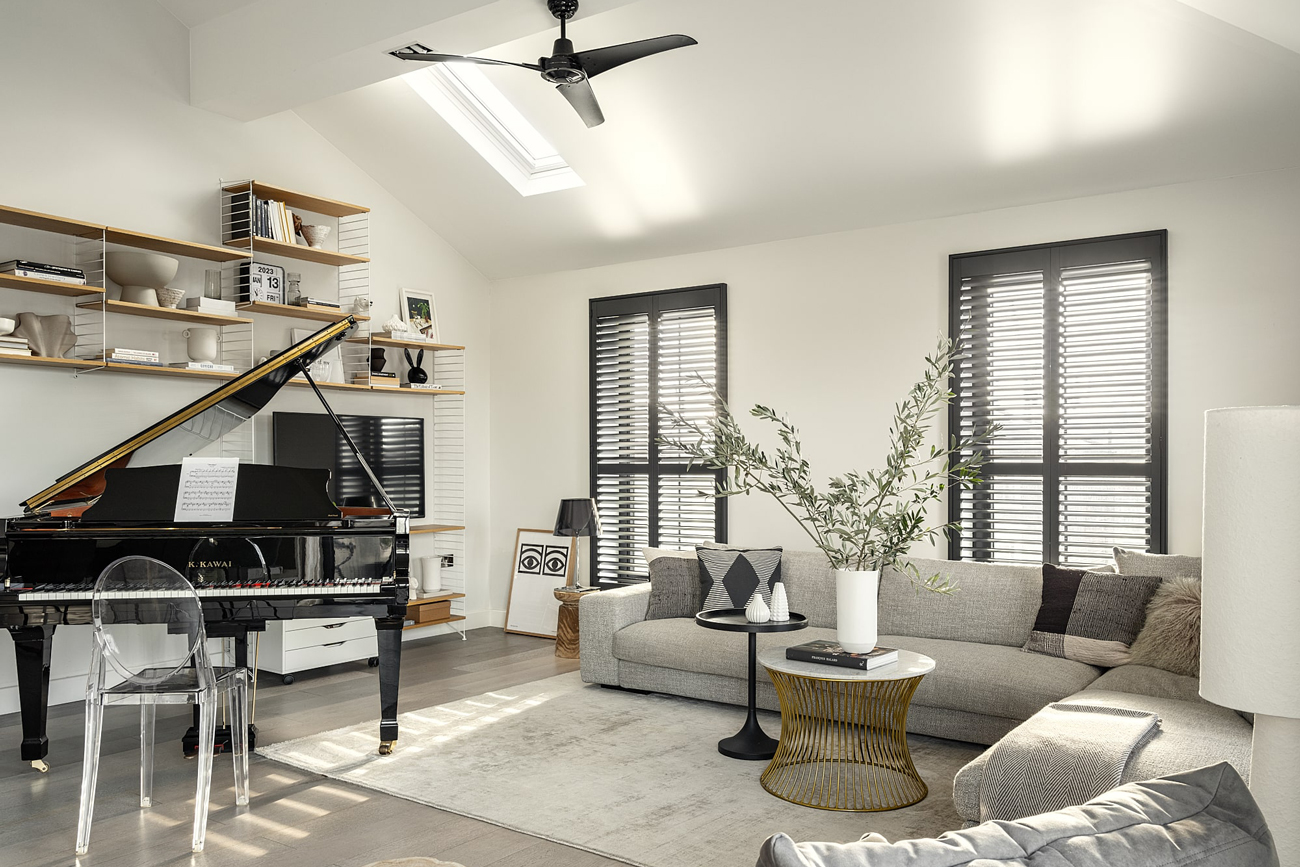
Modern Duplex HavenResidential

WeWork Office SpaceCommercial
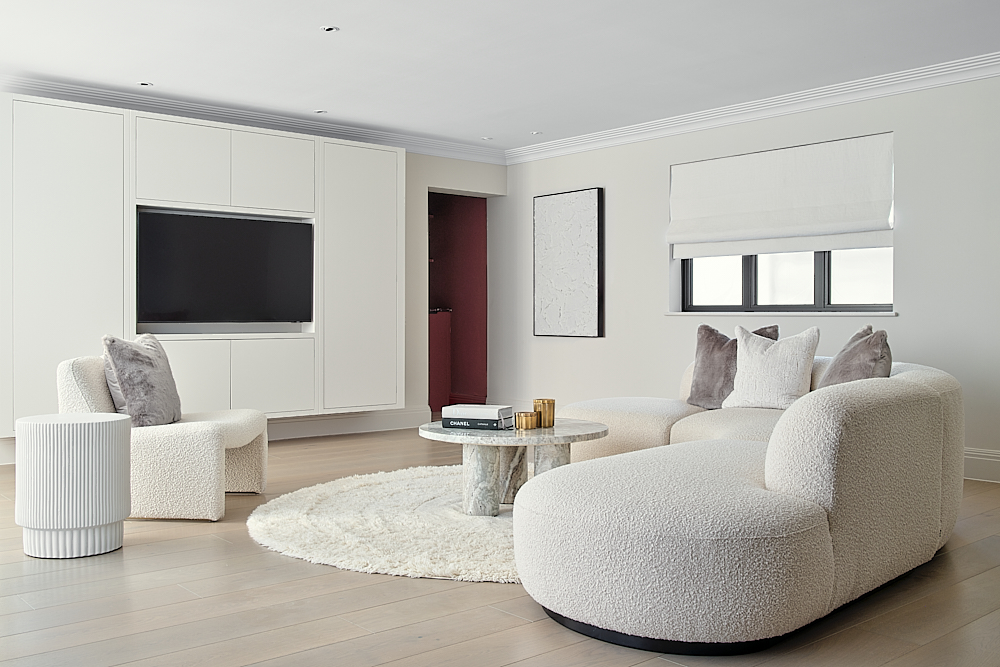
Serenity on Forest RidgeResidential
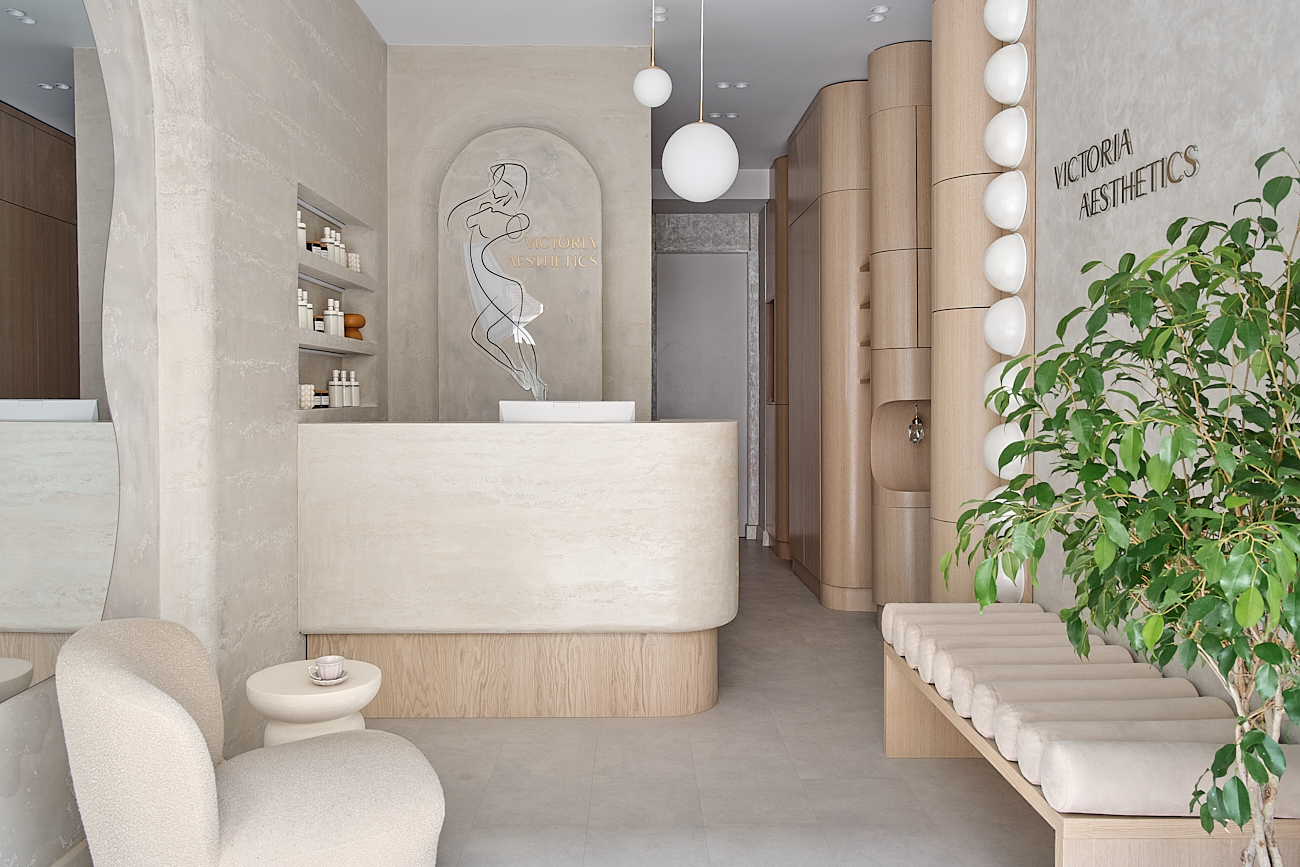
Aesthetics Clinic in LondonCommercial
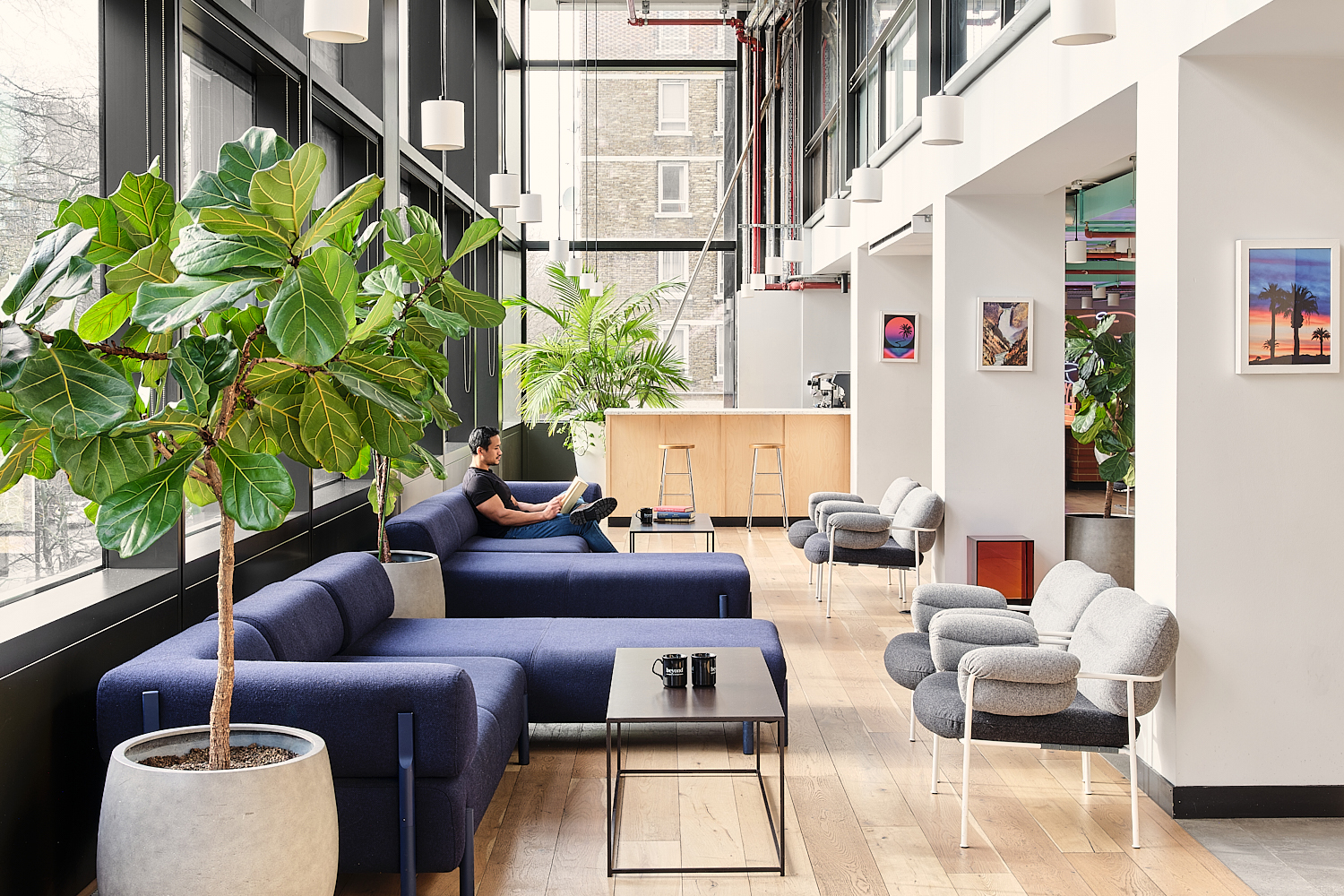
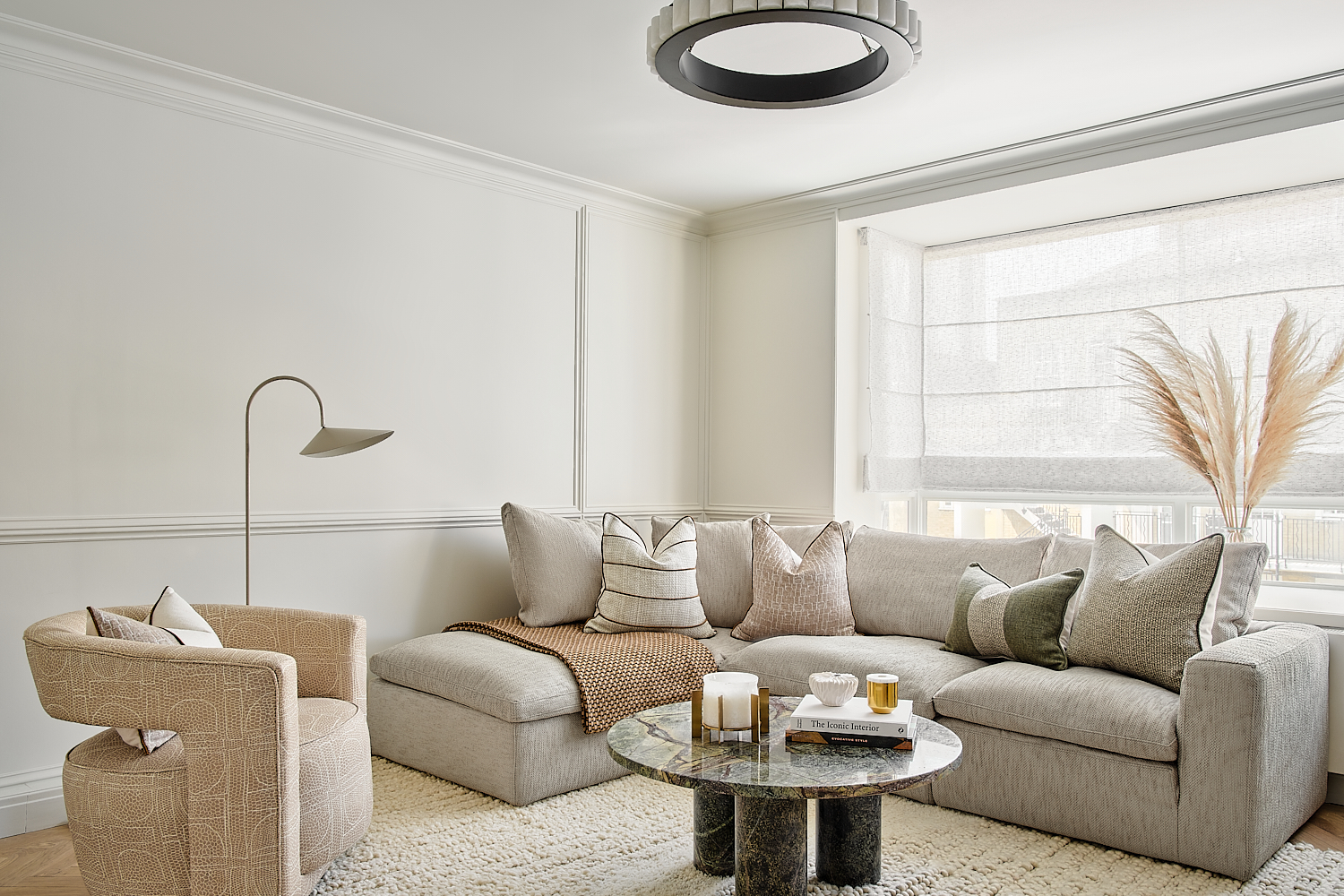
Belgravia ApartmentResidential
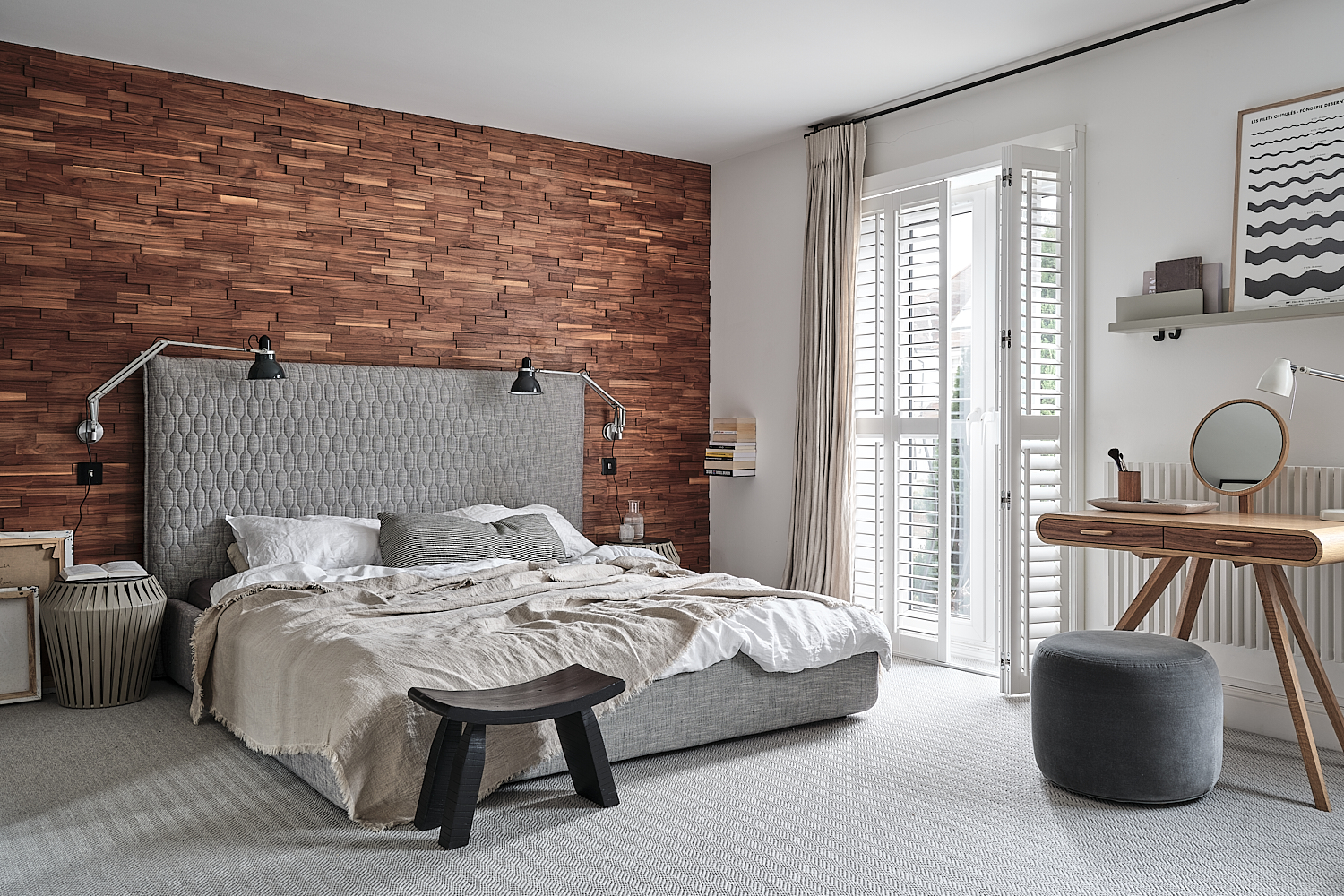
Scandinavian BirchResidential
Whetstone ProjectResidential
600 sq feet Eclectic FlatResidential
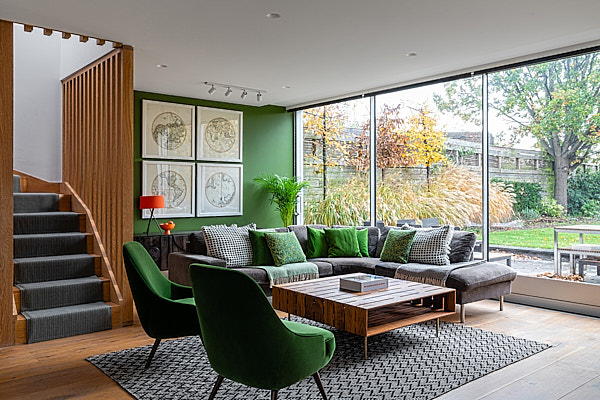
BlackheathResidential
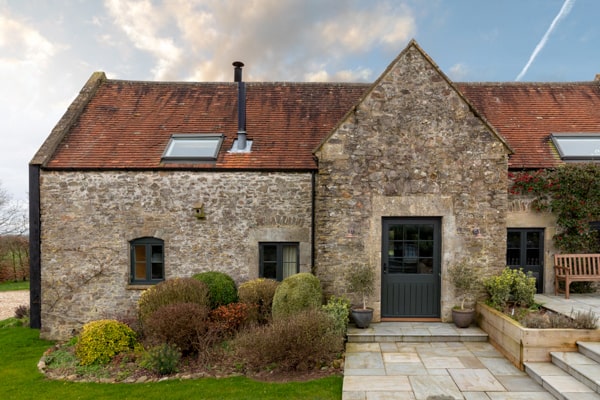
Barn Conversion in SomersetResidential
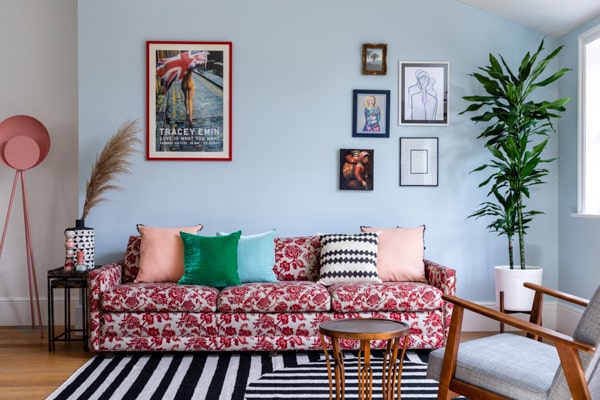
Colourful Project in HarpendenResidential
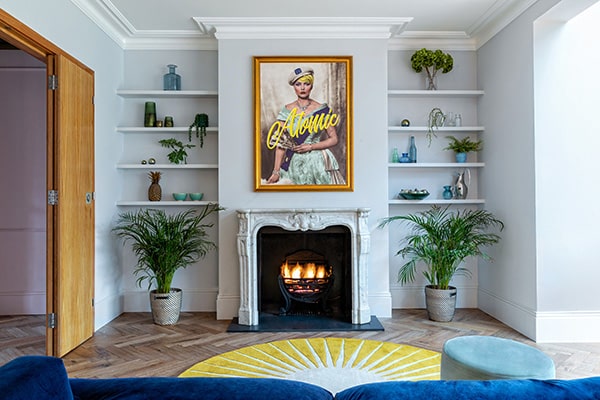
Victorian HouseResidential
Spacious FlatResidential
Christmas at La Maison, ParisCommercial
Luna BarCommercial
Zima, Restaurant in SohoCommercial
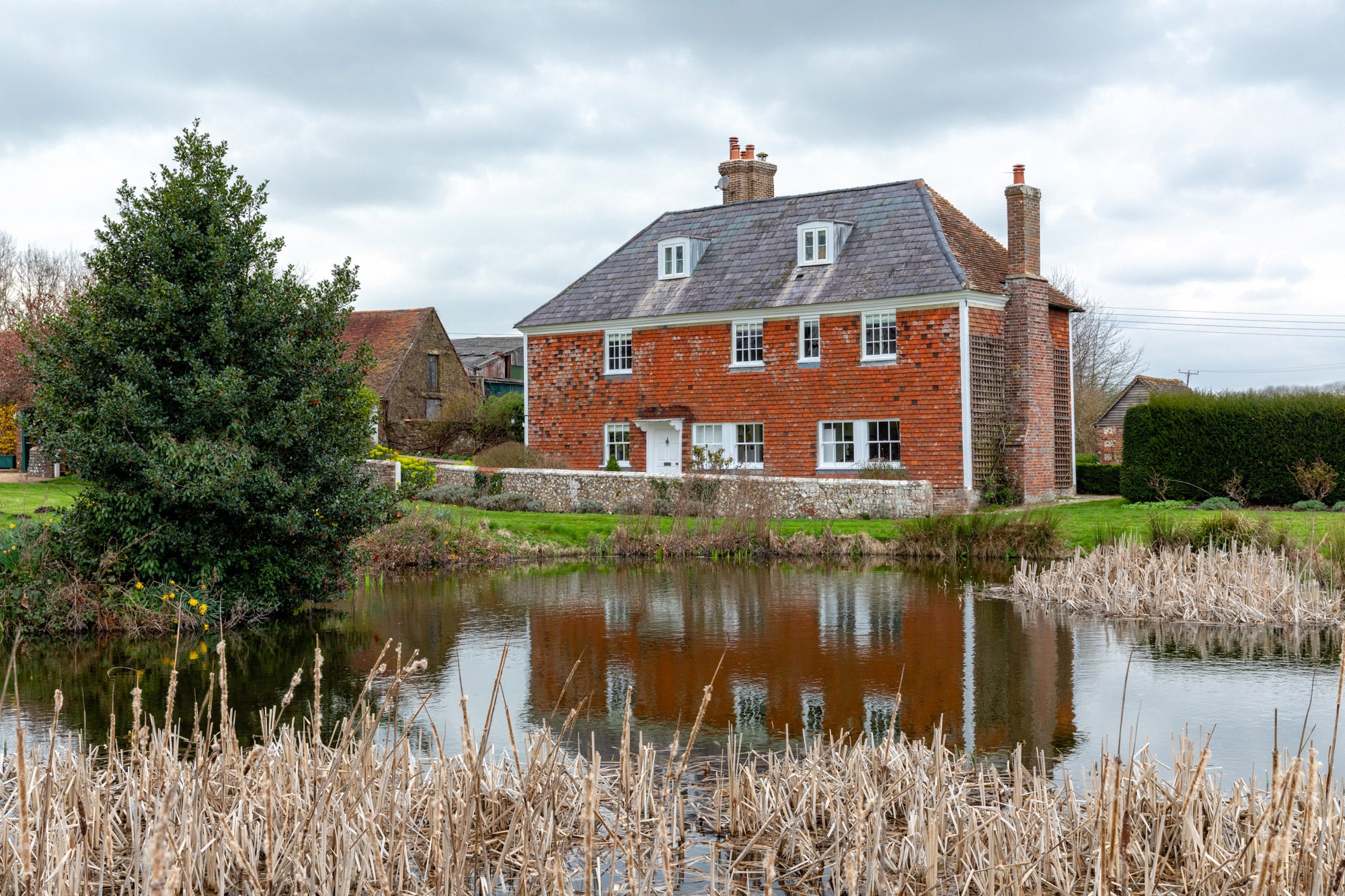
Jamie’s FarmCommercial
©Anna Yanovski, mail@annayanovski.com