
Why Interior Designers Shouldn’t Wait to Photograph Their Projects
Many interior designers know they need professional photographs of their work. The problem is that it rarely feels like the right moment.
The project is finished, or almost finished, but there is always a reason to wait. Perhaps it does not feel like the perfect portfolio piece. Perhaps there is another, stronger project coming soon. Perhaps everyone is tired by the end of the installation, and organising a shoot feels like one more thing to think about.
It is very understandable. Interior projects are long, detailed and often emotionally demanding. By the time a home is complete, there have usually been months of drawings, decisions, site visits, revisions, sourcing, problem-solving, installation and styling. Sometimes years.
So it makes sense that photography can start to feel like something that can happen later.
But later has a way of quietly turning into years.
And this is where the problem starts. A finished project does not stay in that finished moment forever. The home begins to settle into real life. Practical things appear, small changes are made, and the original clarity of the design can become harder to capture. The space is being lived in, as it should be, but the short window when the project is complete, considered and ready to be documented can be surprisingly brief.
Very often, what remains from that moment are a few phone photos.
They may be useful as a quick record, but they rarely capture the atmosphere of the space. They rarely show the way rooms connect, how materials sit together, how the light moves through the interior, or the level of thought that went into the design. They rarely communicate the work in a way that helps someone else understand it.
And that is the real purpose of professional photography.
It is not only about having beautiful images. It is about helping other people understand the work.
Future clients do not see the months of work behind a project. They do not see the early drawings, the site visits, the difficult decisions, the small adjustments that made the room work, or the details that were carefully chosen and refined.
They usually meet the project through images.
Those images become the way people understand your eye, your level of detail, your confidence with materials, and the kind of spaces you know how to create.
The same is true for potential clients, collaborators, suppliers and anyone else who may come across your work before they ever speak to you. A strong project that is not photographed properly can almost disappear from your practice. It may have taken months of work, but if it is not documented, it becomes difficult for anyone outside the project to understand what was achieved.
This becomes especially important when someone is considering working with you. One of the first questions is often very simple: what have you done before?
And the answer is shaped by what you are able to show.
Of course, not every project has to be photographed.
There are times when it makes sense to hesitate. If a project is completely outside the direction you want your studio to go, or if it does not represent the type of work you want to attract, it may not be the right one to invest in.
But if a project reflects the kind of work you would like to do more of, then photographing it is not really just another expense. It becomes part of building the future of your practice.
Because the projects you show help define the projects you attract.
A professional shoot gives the work a life beyond the people who have already seen it. It allows the project to become part of your portfolio, your website, your conversations with new clients, and the way your studio is understood over time.
The best moment is usually when the project is complete, considered and still ready to be seen.

Selected Works

WeWork, Aldwych HouseCommercial

Artwork Photography for Emma GurnerResidential
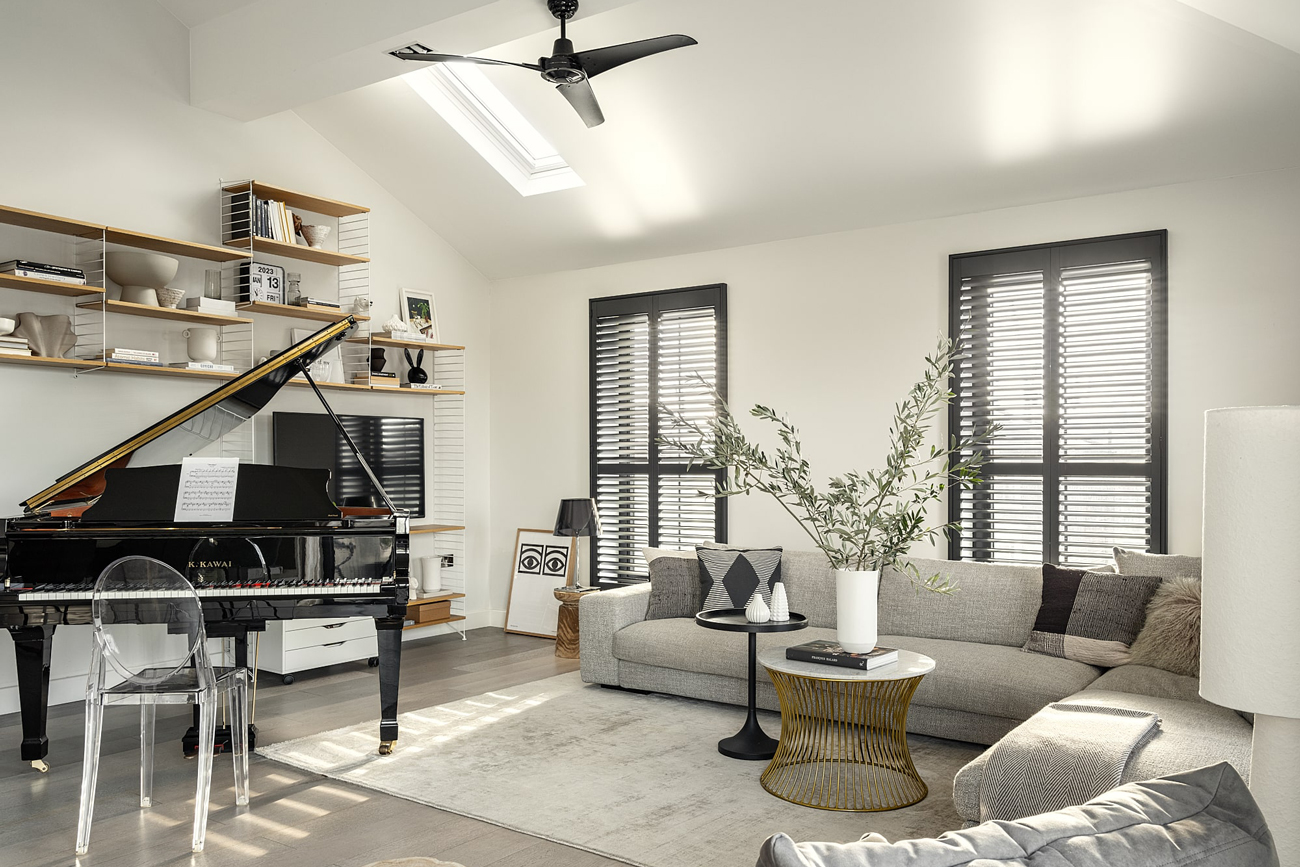
Modern Duplex HavenResidential

WeWork Office SpaceCommercial
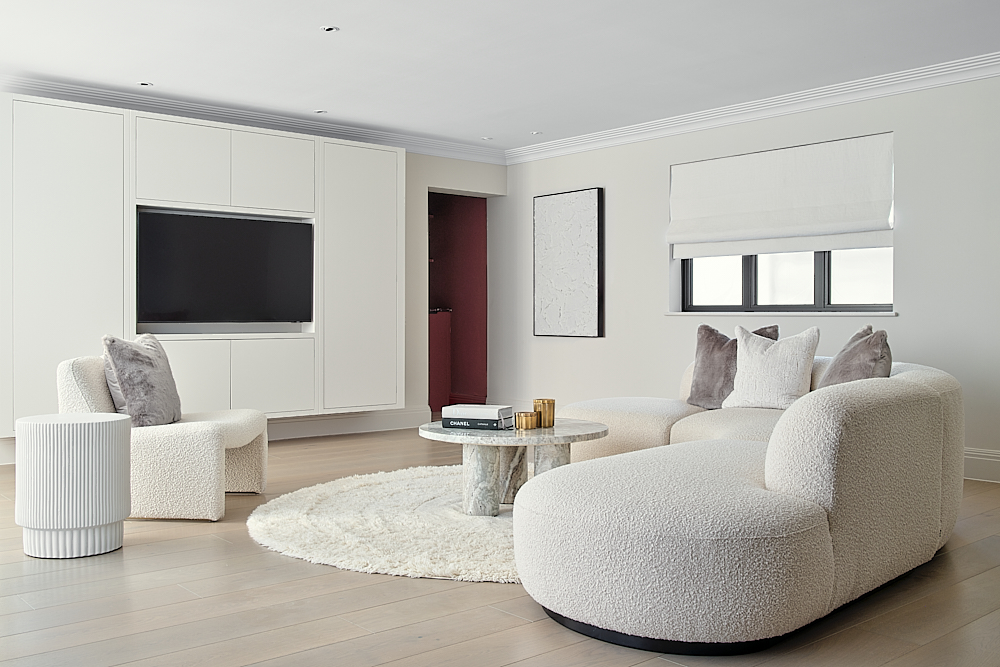
Serenity on Forest RidgeResidential
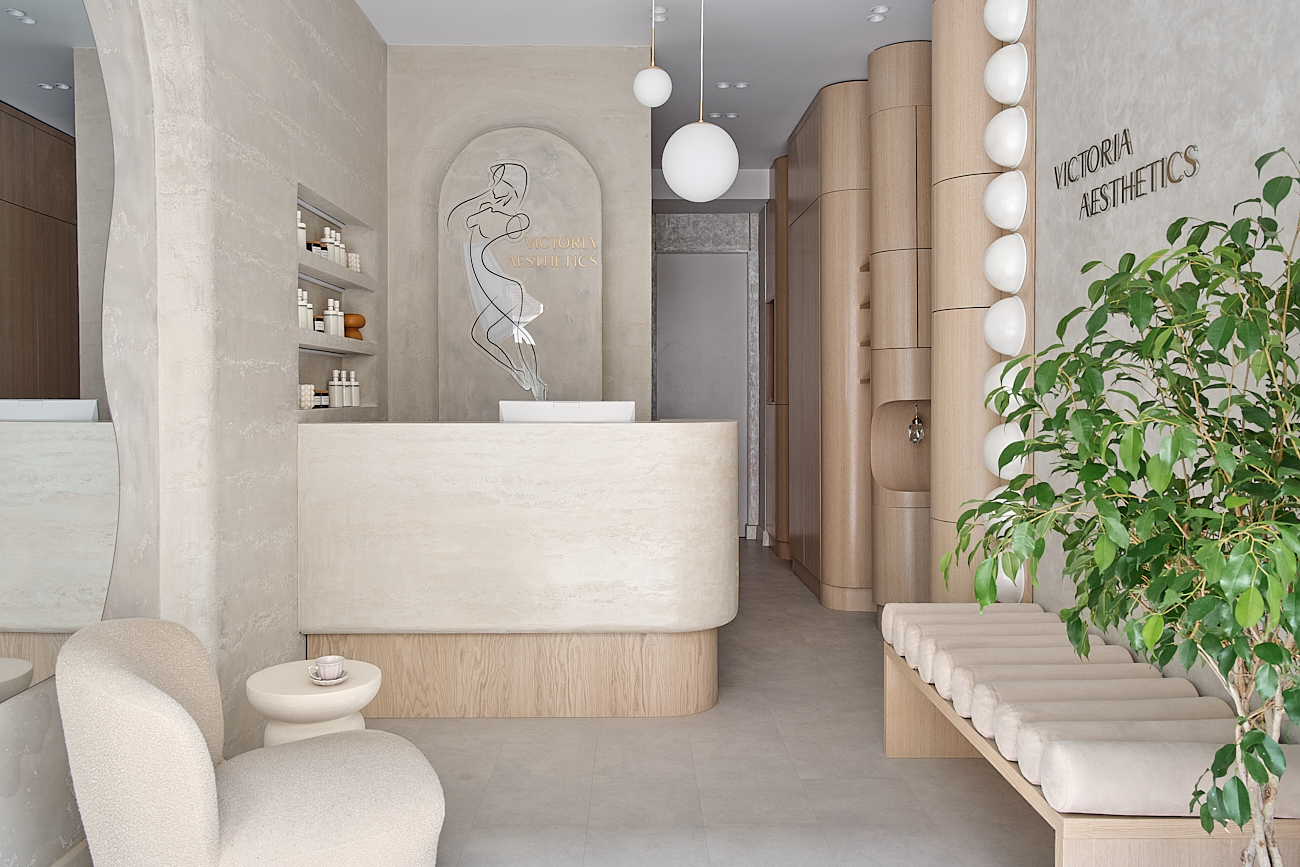
Aesthetics Clinic in LondonCommercial
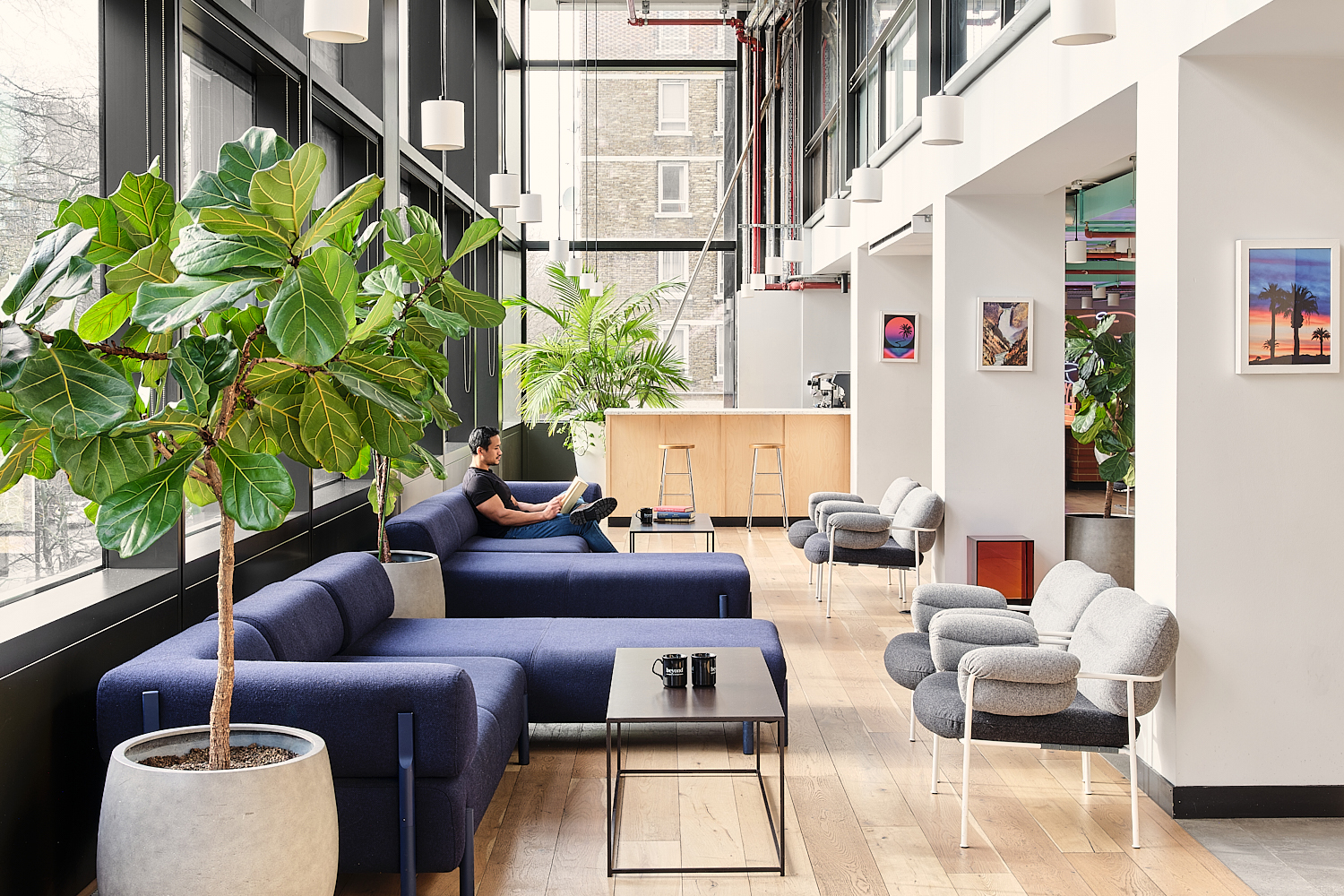
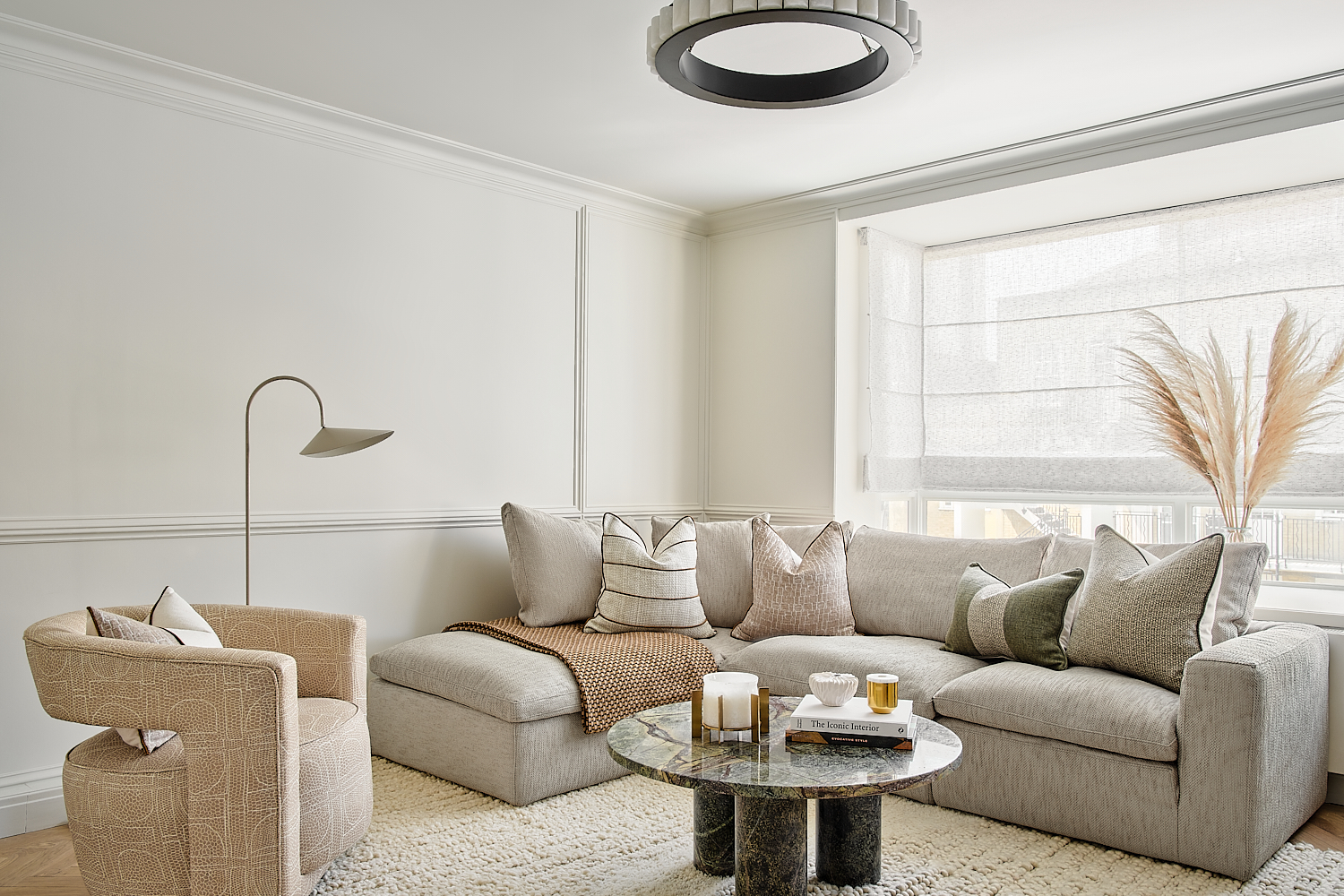
Belgravia ApartmentResidential
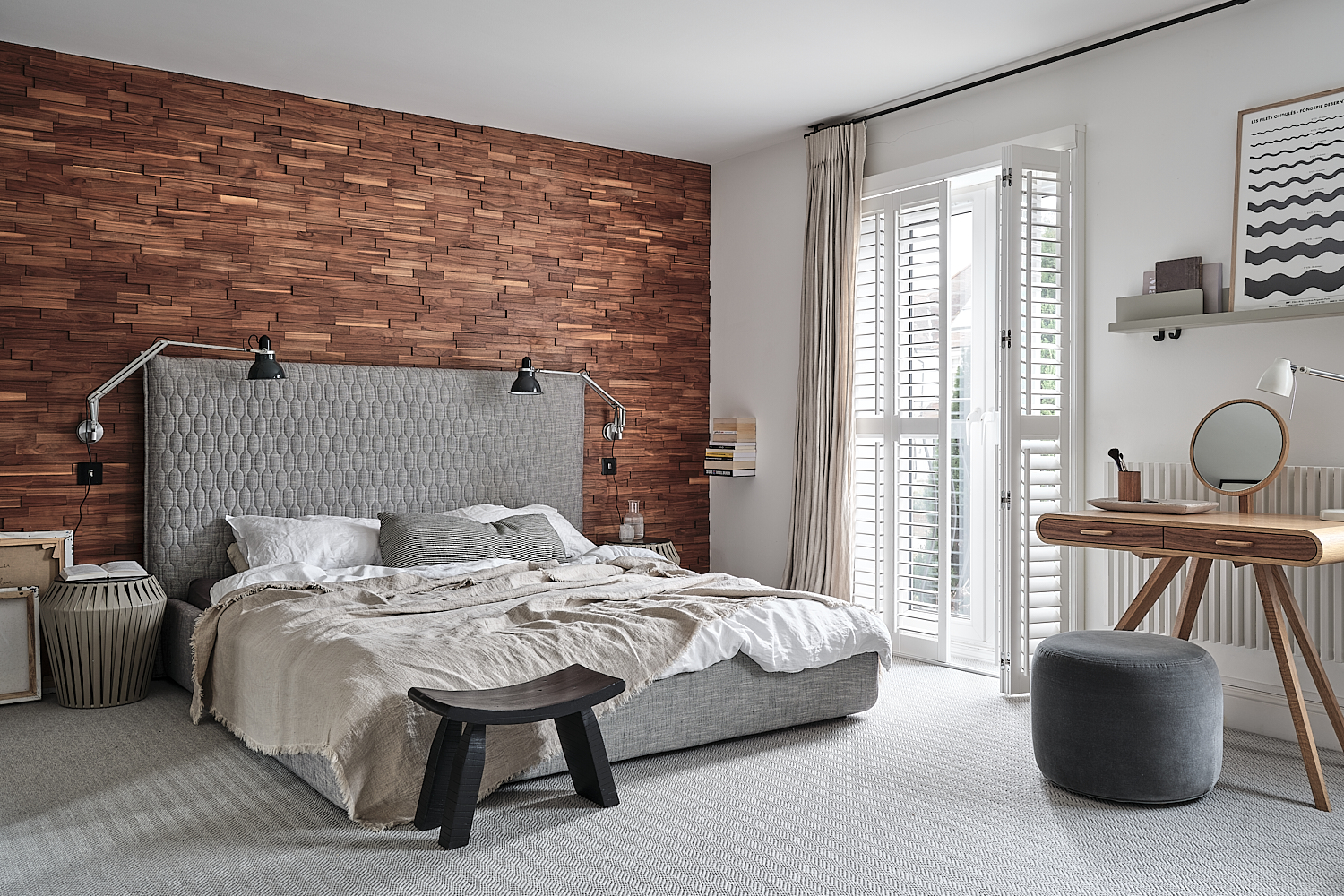
Scandinavian BirchResidential
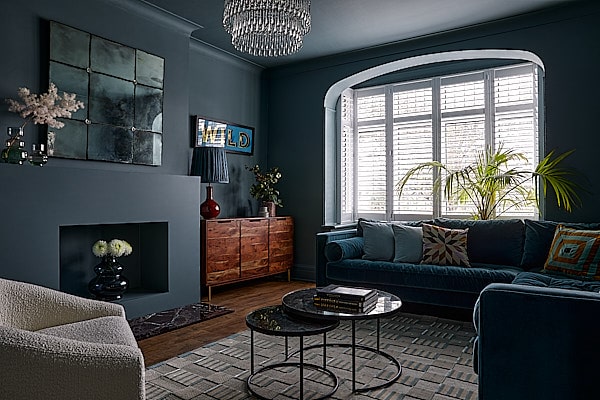
Whetstone ProjectResidential
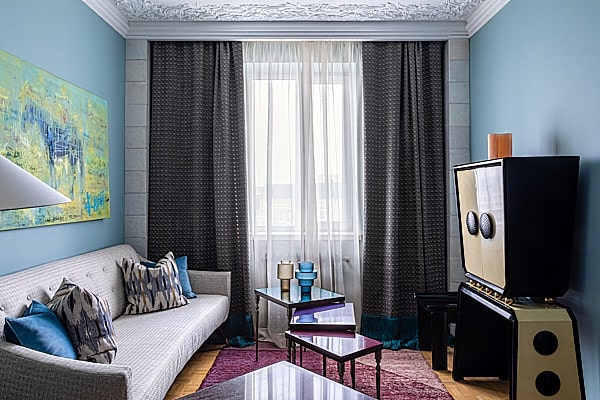
600 sq feet Eclectic FlatResidential
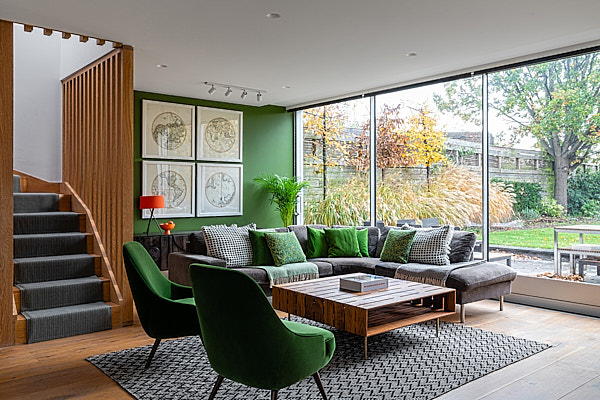
BlackheathResidential
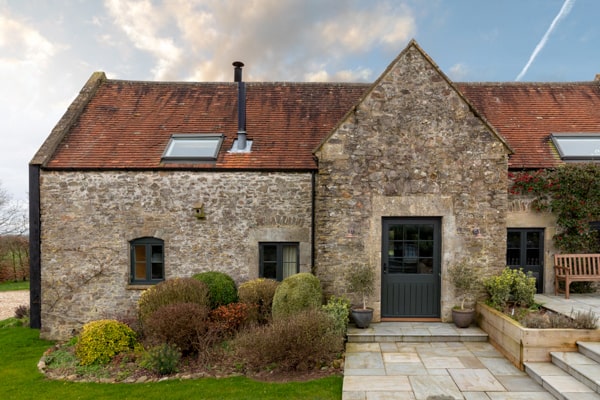
Barn Conversion in SomersetResidential
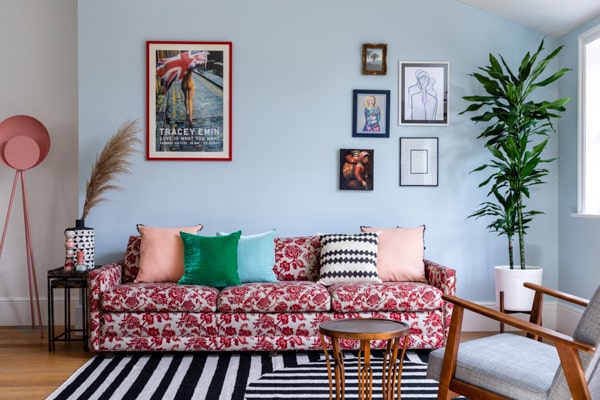
Colourful Project in HarpendenResidential
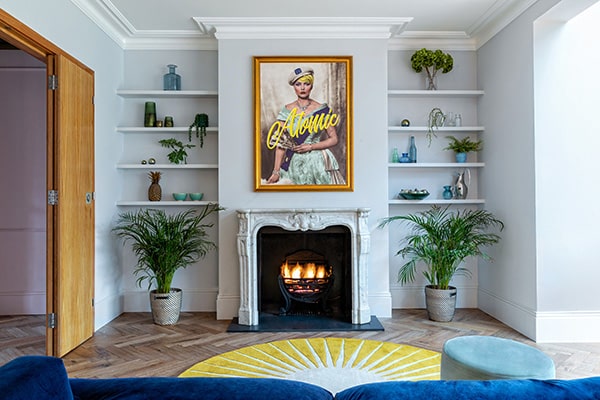
Victorian HouseResidential
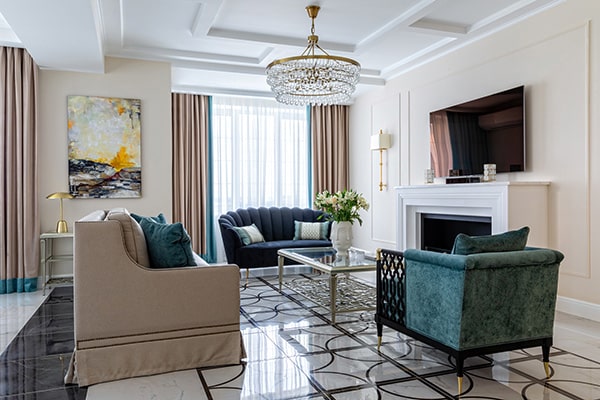
Spacious FlatResidential
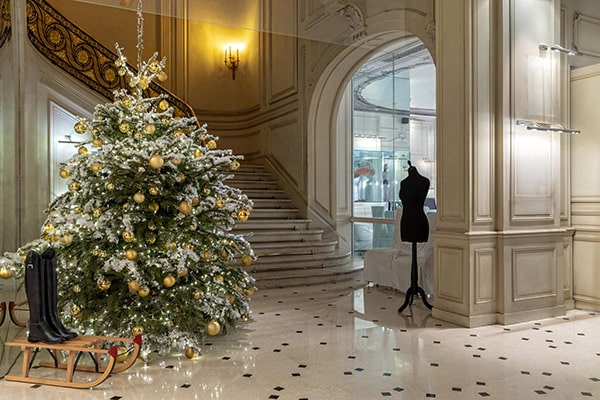
Christmas at La Maison, ParisCommercial
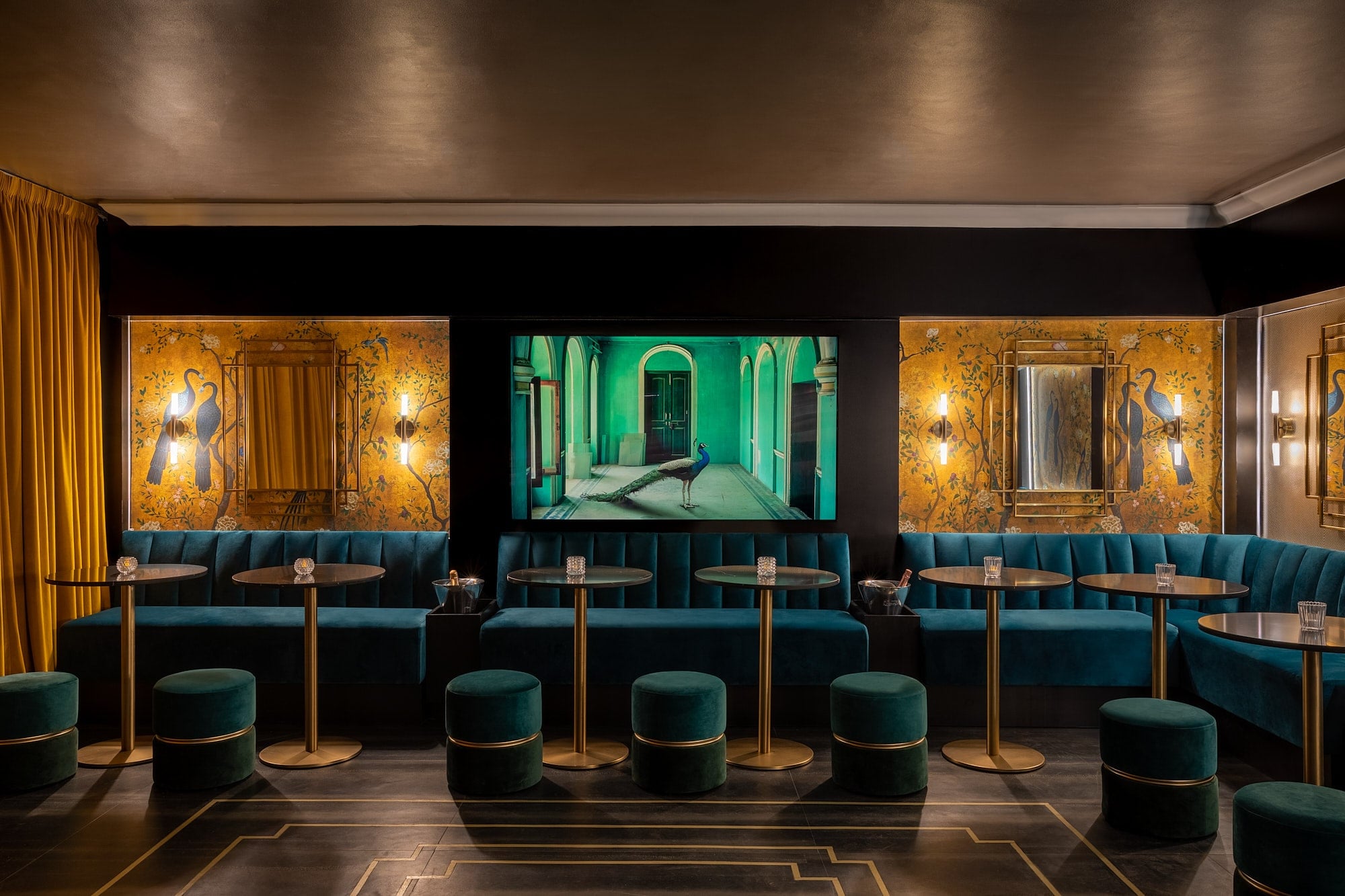
Luna BarCommercial
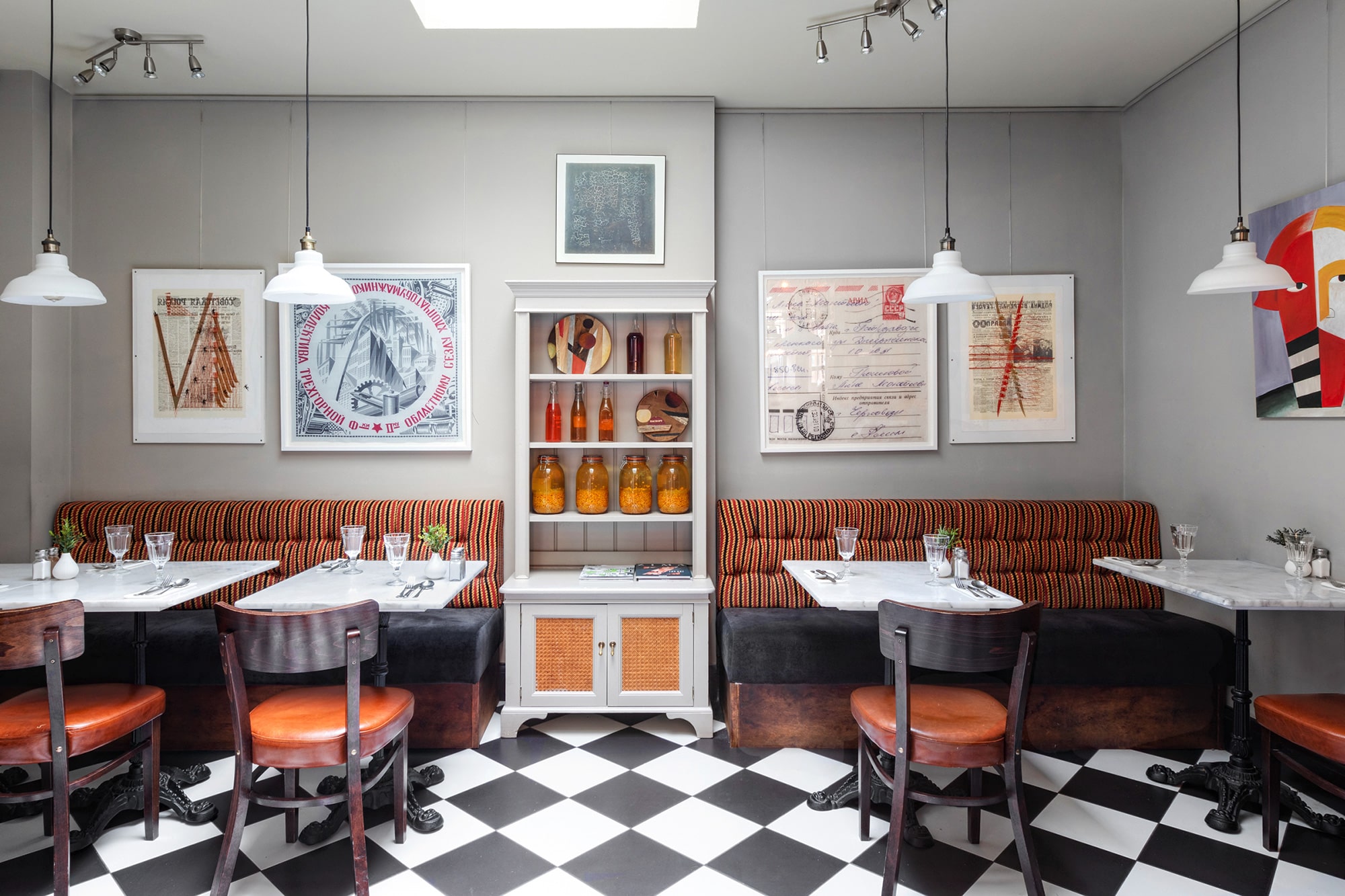
Zima, Restaurant in SohoCommercial
Jamie’s FarmCommercial
©Anna Yanovski, mail@annayanovski.com